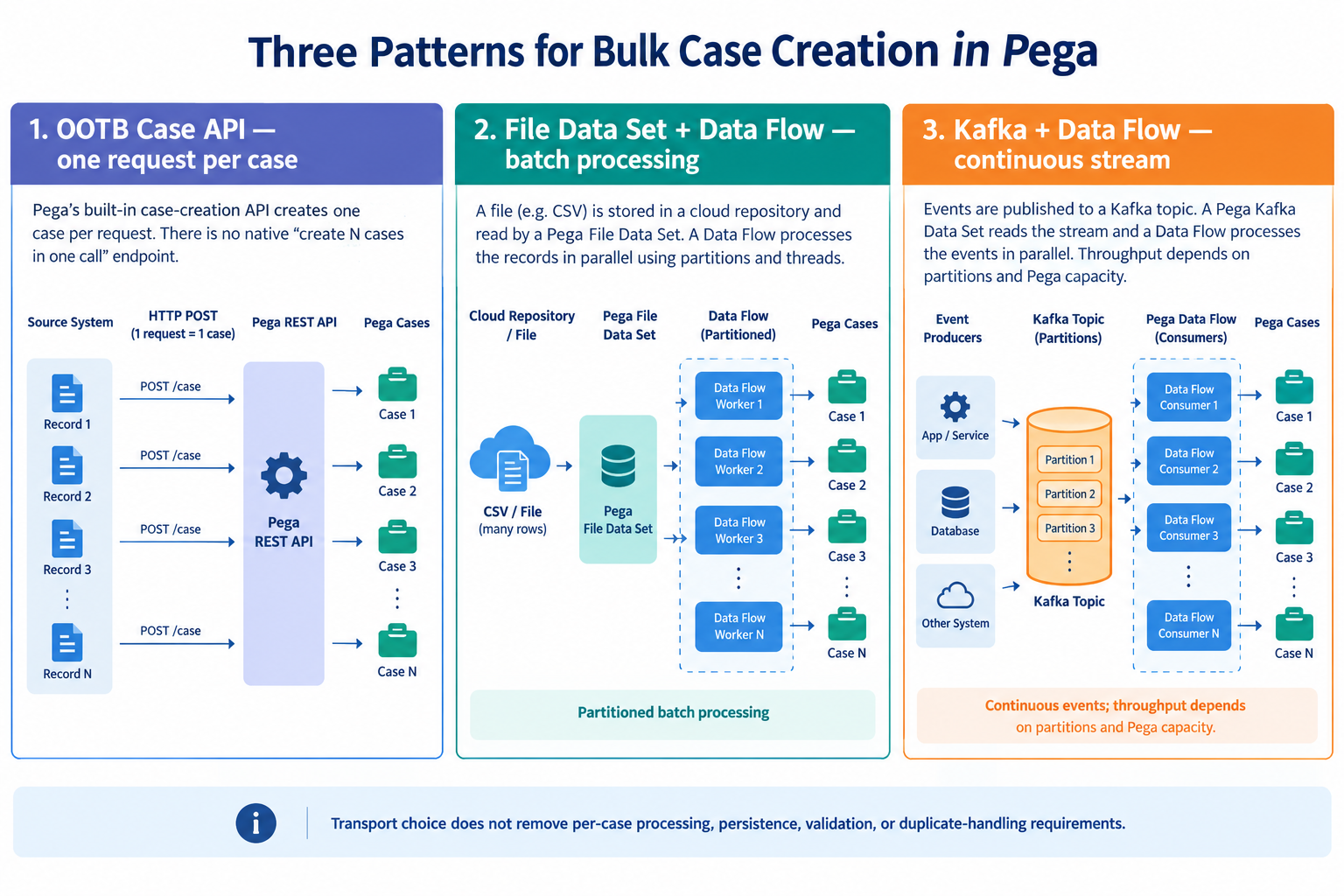
Compare Pega's case-creation API, File Listener, File Data Set and Data Flow, and Kafka for bulk case creation. Understand throughput, reliability, and architecture trade-offs.
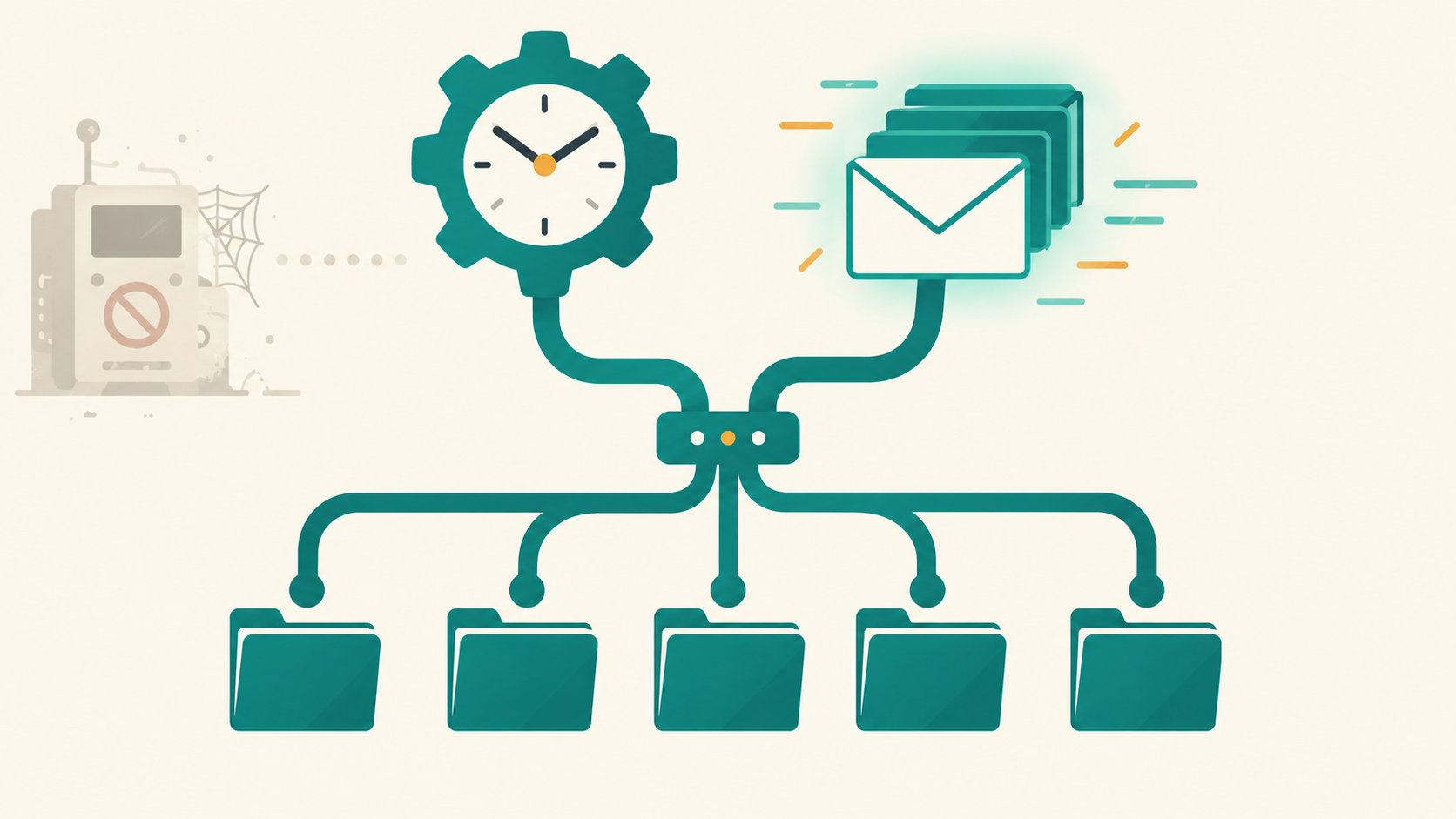
Standard and Advanced Agents are deprecated, but a lot of production Pega apps still run on them — and a lot of new apps still reach for the wrong replacement. Here's how Queue Processors and Job Schedulers actually differ, and the staging-table pattern I use to decouple intake rate from case-creation rate for bulk feeds.
Compare Pega's case-creation API, File Listener, File Data Set and Data Flow, and Kafka for bulk case creation. Understand throughput, reliability, and architecture trade-offs.
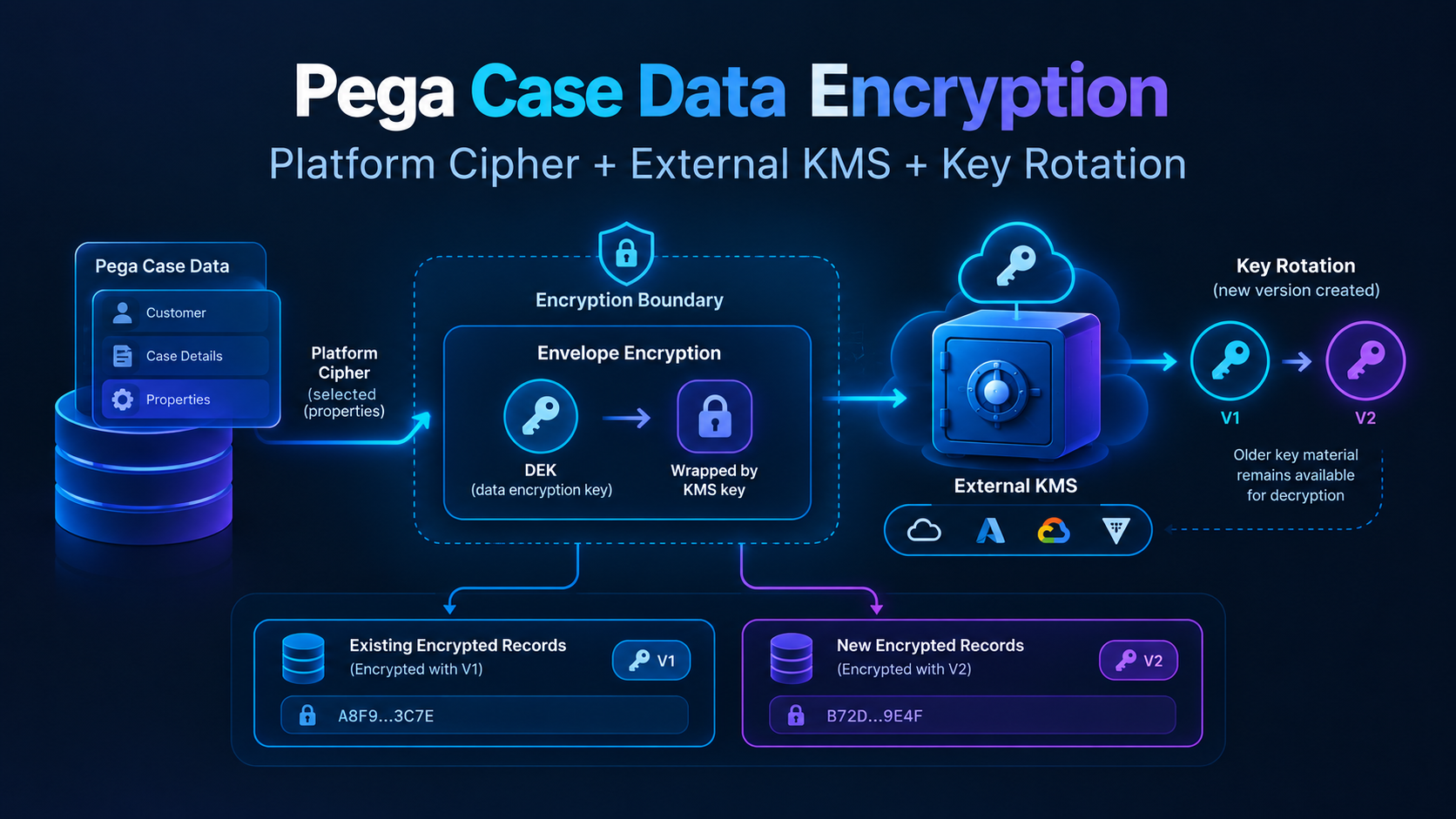
"We encrypt sensitive data at rest" is a sentence I've heard applied to Pega apps that encrypt nothing beyond what's on disk at the storage layer. Platform Cipher with an external KMS is real, property-level encryption you control the keys for — but only for the properties you explicitly mark. Here's what it covers, what it costs you, and what it was never going to protect.
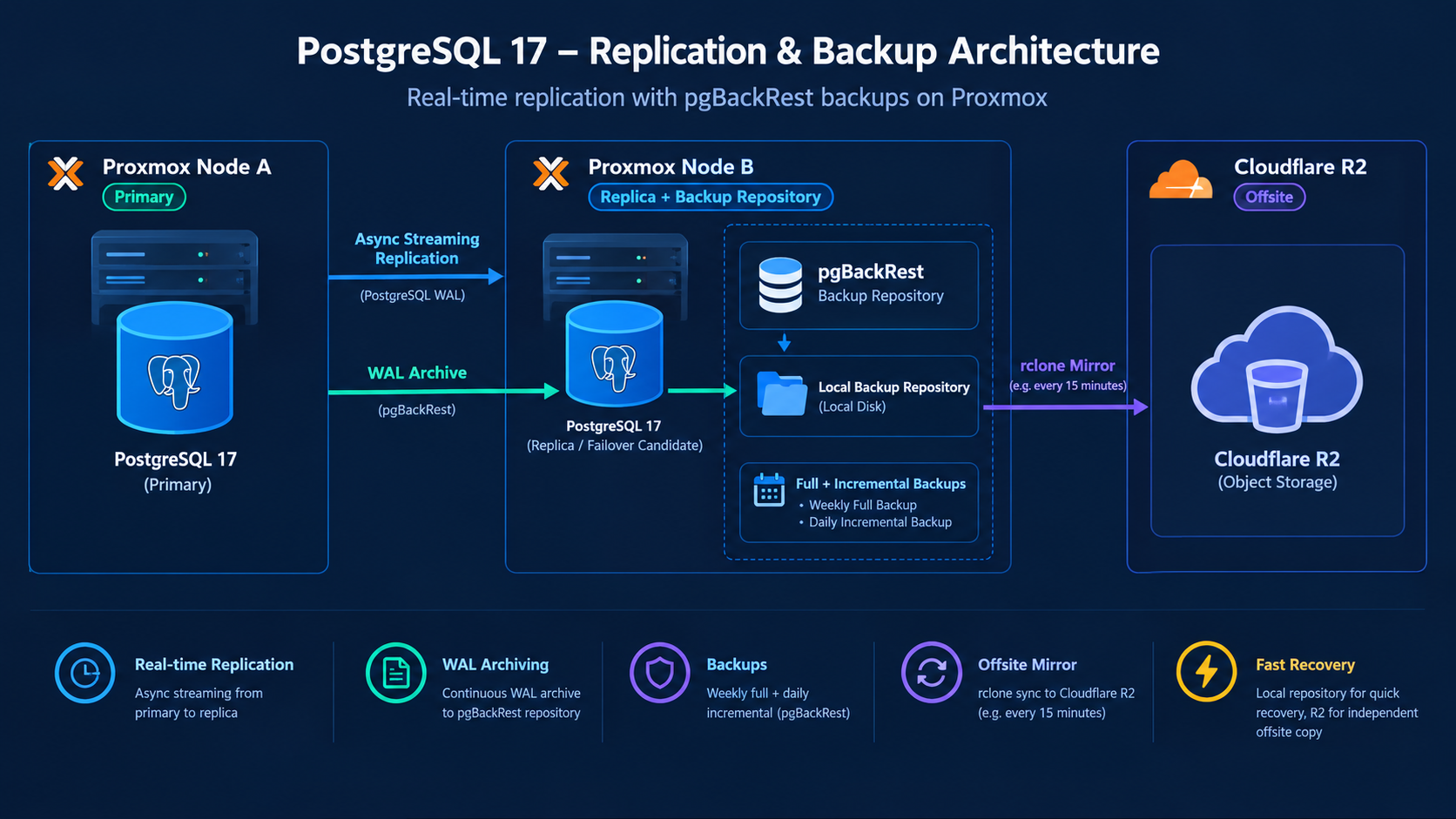
Moving a production Postgres database off Neon to self-hosted Proxmox meant losing managed backups and PITR. Here's the architecture I replaced it with: async streaming replication to a second node that doubles as a pgBackRest repo host, with Cloudflare R2 as a decoupled offsite mirror — plus the two designs I tried and dropped first.
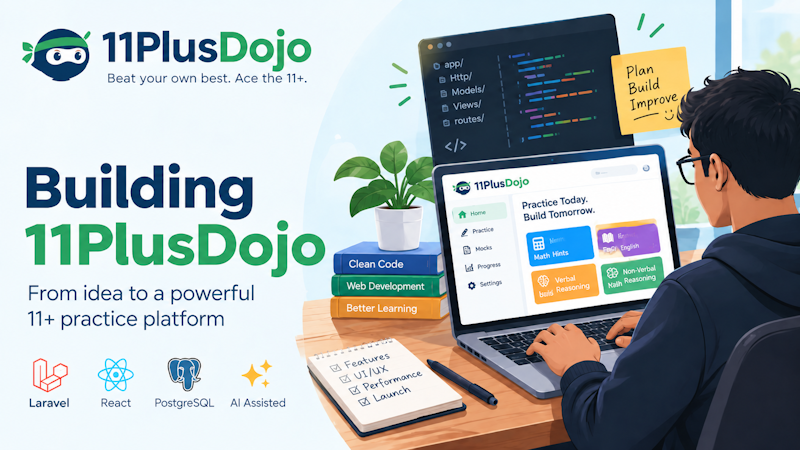
If you've followed this blog for a while, you'll know I mostly write about enterprise architecture, integration patterns, and the odd war story from the Pega trenches. This post is a bit different —…
Why Generative AI Is Not the Answer to Every Problem — and How to Use It Securely What Even Is Generative AI? (And Why It's Different From the AI You Already Know) Before we talk about misuse, we…